Some cats bond hard to people and get stressed alone. Others prefer solo living. A second cat is not automatic medicine.
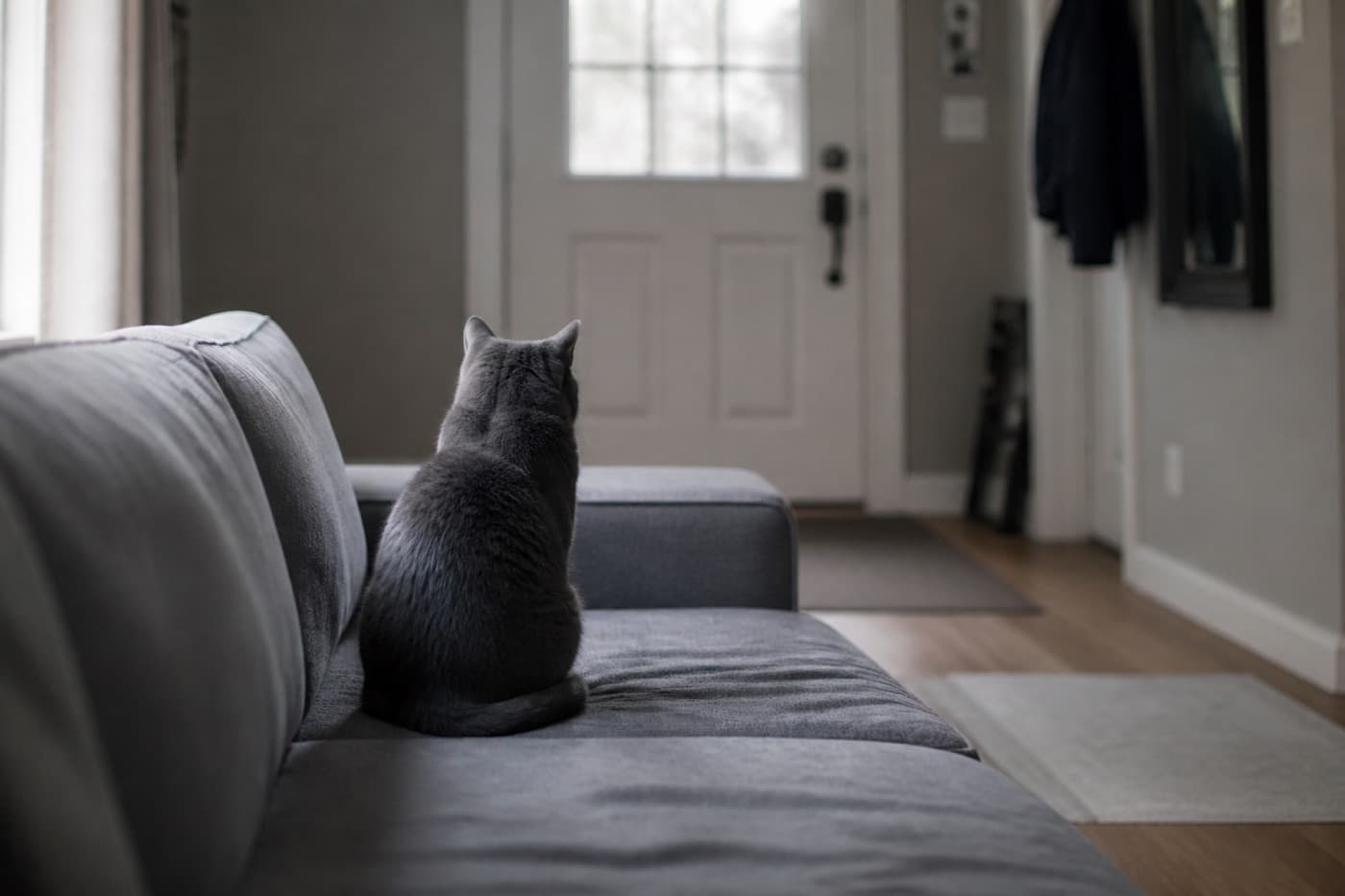
Cats can get lonely, but social needs vary. PetMD says most cats handle short absences and notice longer breaks in routine. A second cat is not required for every household.
Sudden hiding, appetite change, or a new vocal pattern is medical first. Loneliness is the conversation after the exam, not instead of it.
PetMD’s loneliness page says cats form strong bonds with people. A day of errands is usually fine. A vacation that breaks the daily pattern is more likely to register. Cats that are used to all-day company notice the gap more than cats raised around a work schedule.
Behavior bids include extra meowing, clinginess, sleep or appetite shifts, and messy attention-seeking. PetMD and ASPCA meowing guidance both note that cats left alone for long stretches may call more. That can be loneliness or boredom. It can also be pain. See why cats meow for the vocal file.
ASPCA’s general care writing still pushes indoor life with enrichment: rest spots, clean litter, and a home that is not empty of activity. Independent grooming does not mean zero social needs.
Not every lonely-looking cat wants a roommate. Some prefer people only. A poorly matched second cat raises conflict and stress. If you add a cat, use a slow introduction (scent first, separate resources, short visual sessions). Do that well before a trip, not the night you leave.
PetMD’s alone guidance: healthy adults often manage a normal workday. Kittens need more checks. Beyond about 24 hours, arrange a sitter for food, water, litter, and eyes on behavior. Cameras and auto-feeders do not scoop a box or notice a urinary emergency.
Daily play, puzzle feeders, and vertical space reduce boredom for one-cat homes. Greeting rituals (a short wand session when you walk in) beat guilt shopping. Quiet bonding can look like licking or kneading: why cats lick you, why cats knead.
Sudden hiding, litter changes, weight loss, or a cat that stops greeting you is a veterinarian visit before it is an adoption plan. PetMD’s companion and loneliness pieces both say behavior shifts need a physical rule-out. Cats hide illness. Loneliness therapy does not fix a blocked bladder.
This page is editorial. It does not replace the veterinarian who sees that cat. The about page is the author URL.
Sometimes. PetMD says cats form bonds with people and can notice long absences, especially when routine breaks for more than a day. Most cats tolerate short errands. Vacations are more likely to register.
Not automatically. Social needs vary. Some cats thrive with a companion. Others prefer being the only cat. A second cat is a slow introduction project, not a loneliness pill. ASPCA and behavior pages warn that forced matching can raise stress.
PetMD’s alone page treats healthy adult cats as often fine for a typical workday (about 8 to 12 hours), with kittens needing more checks. More than 24 hours is pet-sitter territory for food, litter, and eyes on the animal.
PetMD lists clinginess, extra meowing, over-grooming or under-grooming, sleep and appetite shifts, and destructive bids for attention. The same signs can be medical. Rule out illness first.
Sudden hiding is medical first. Pain and illness make cats withdraw. Book the veterinarian before you adopt a roommate as therapy.
Enrichment helps boredom. It does not replace contact for a highly social cat, and it does not clear a fever. Combine play, routine, and a sitter when you travel.
Domestic cats sit on a spectrum. Ancestry leans solitary-hunter, but house cats often bond tightly with people. Judge the individual, not a meme about “independent cats.”
Reader notes are not veterinary advice. If an animal is unwell, call the veterinarian who sees them.
Be the first to leave a note on this guide.