Indoor cats often reach the teens. Outdoor risks shorten many lives. PetMD and VCA ranges, not a calendar promise.
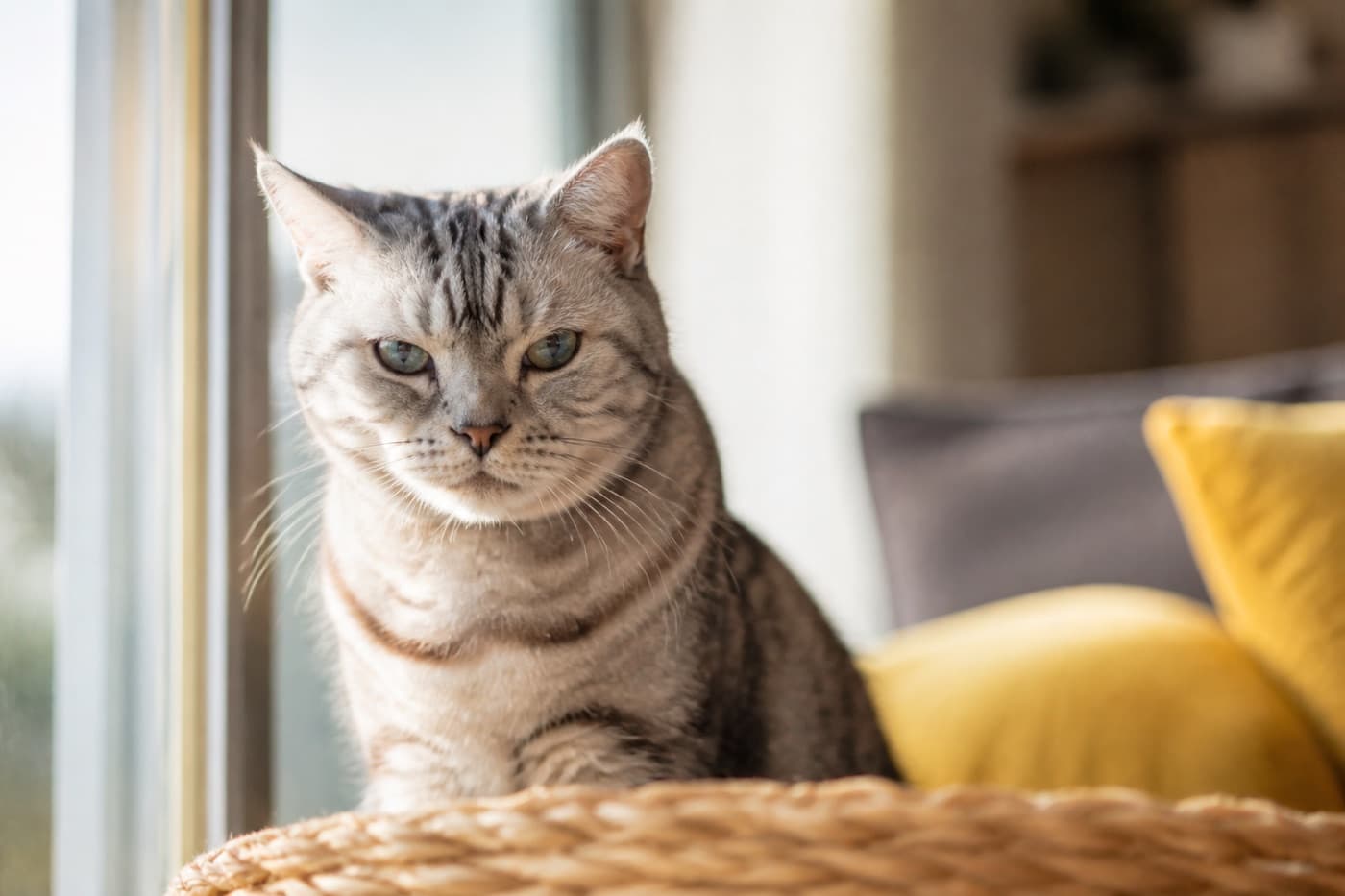
PetMD publishes an average cat lifespan of 13 to 17 years. Indoor cats commonly live 15 to 20 years or longer on that page. Outdoor cats with lots of outdoor access average about half the indoor span.
ASPCA and VCA both stress that free-roaming outdoor life shortens the odds. This page cites those ranges. It does not invent a 25-year promise or a human-years chart.
PetMD’s average is 13–17 years. Their indoor FAQ line is commonly 15–20 years or longer, depending on care and genetics. Some cats reach the late teens or early 20s. That is a long-tail outcome on a named page, not a calendar you can order.
Nutrition, vaccines, dental care, parasite prevention, and spay or neuter status all show up on PetMD’s list. Breed and genetics sit there too. A Maine Coon and a Siamese are not the same risk file. Mixed-breed cats often benefit from hybrid vigor in PetMD’s language. None of that turns into a homemade age guarantee.
PetMD calls cats about 10 and older seniors for monitoring. More frequent blood and urine checks are the usual clinic plan. Gradual slowing can be age. Sudden appetite change, new night noise, or weight loss is not “just getting old.”
PetMD says outdoor cats or cats with lots of outdoor access live, on average, about half as long as indoor cats. Trauma, infectious disease, and parasites are the short list. ASPCA’s General Cat Care page is blunt: please keep your cat indoors. Outdoor cats do not live as long. Cars, fights with other cats, raccoons, dogs, coyotes, fleas, ticks, and infectious disease are the reasons they name.
VCA’s outdoor-perils handout lists the same modern hazards: wildlife, other cats, vehicles, parasites, and people who harm roaming cats. Their indoor-disease page still says indoor living contributes to a longer life expectancy, while reminding owners that indoor cats still need vaccines. Longer is not “immune.”
Supervised leash walks, a screened porch, or an enclosure are the safer outdoor options VCA and PetMD both discuss. Free-roaming is the short-odds lifestyle. Enrichment indoors is the job that replaces the yard: play, vertical space, and a window seat beat an open door.
PetMD’s practical list is vaccines matched to lifestyle, early spay or neuter, annual exams (more often in seniors), weight control, and a complete diet. Obesity shortens joints and invites diabetes. Indoor cats still need parasite prevention when the veterinarian says so.
Adapt the house as the cat ages: lower litter sides, softer beds, easier jumps. Report behavior changes early. Cats hide illness. A blog cannot examine your cat. This page is editorial. See the about page for how we handle YMYL claims.
PetMD publishes an average lifespan of 13 to 17 years for cats. Indoor cats commonly live 15 to 20 years or longer, depending on care and genetics. Outdoor cats with lots of outdoor access average about half that indoor span on PetMD’s page. Those are published ranges, not a warranty.
Yes, on average. ASPCA says outdoor cats do not live as long as indoor cats, citing cars, fights, wildlife, fleas, ticks, and infectious disease. VCA says indoor living contributes to a longer life expectancy and lists outdoor trauma and disease as the usual trade-off. Supervised leash walks or an enclosure are not the same as free-roaming.
PetMD notes some cats reach the late teens or 20s with nutrition, preventive care, and a safe home. That is the long tail, not a number you should plan as typical. We will not invent a 25-year promise or a human-years chart.
PetMD says breed and genetics matter. Some breeds carry more health risks than others. Mixed-breed cats often fare well for genetic-diversity reasons. Ask the veterinarian who sees that cat about that cat’s risks, not a viral breed table.
PetMD says spayed and neutered cats generally live longer, in part because of lower reproductive-cancer risk and fewer hormone-driven outdoor risks. Timing belongs to your veterinarian.
PetMD treats cats about 10 years and older as seniors for monitoring purposes. More frequent bloodwork and urine checks are common then. Sudden night yowling, weight loss, or new thirst is a clinic question, not a “senior personality.”
No. We do not publish a conversion chart. Budget the published year ranges and the indoor-vs-outdoor difference instead.
Reader notes are not veterinary advice. If an animal is unwell, call the veterinarian who sees them.
Be the first to leave a note on this guide.