Peeled orange flesh is safe in small amounts. Peel and seeds come off first, and juice is not fruit.
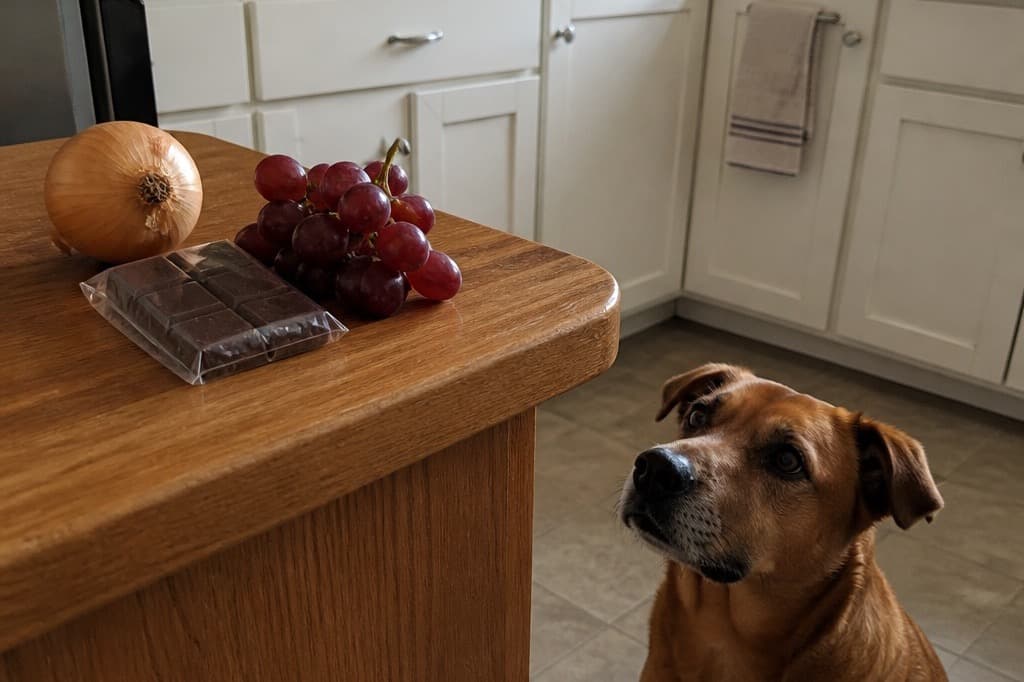
Peeled flesh, in small amounts. AKC lists oranges as safe in moderation for dogs, with the peel and seeds taken off first.
The vitamin C is not the reason to offer one. Dogs make their own.
A segment or two of peeled orange is the whole offer. Peel and pith are fibrous and hard to digest, and seeds add nothing worth the risk.
Peel is an obstruction question, not a poisoning one. A small dog that swallows a piece of rind is the scenario to avoid.
Oranges carry more natural sugar than the vegetables on the safe list. For a dog on a weight plan or a dog being managed for diabetes, that is the deciding fact.
Some dogs get loose stool from citrus regardless of the amount. If that happens twice, this fruit is not for that dog.
For a lower-sugar fruit option, see whether dogs can eat blueberries.
Orange juice strips the fibre and concentrates the sugar, and shop-bought versions often add more. There is no version of that which improves on water.
Water is the drink. Anything else is a treat with a marketing description attached.
For a fruit that is mostly water and lower in sugar, see whether dogs can eat watermelon.
Small amounts of peeled orange flesh are generally safe. AKC lists oranges as acceptable in moderation, with the peel and seeds removed.
Peel is not classified as toxic but it is difficult to digest and a realistic obstruction risk. Remove it before offering any.
Skip it. Juice concentrates the sugar and removes the fibre, and shop-bought juice often has more sugar added.
Not without veterinary direction. Oranges carry more sugar than most vegetables, which matters for those dogs specifically.
No. Dogs synthesise their own vitamin C, so an orange is a treat rather than a supplement.
Small amounts of peeled sweet citrus follow the same rules. Very sour citrus like lemon and lime is usually refused anyway and the peel and pith are the part to keep away.
Reader notes are not veterinary advice. If an animal is unwell, call the veterinarian who sees them.
Be the first to leave a note on this guide.