Merck publishes 5 to 8 years. VCA and RSPCA often say 5 to 6, with some living longer. Hay, teeth, vitamin C, and why a classroom year is too short.
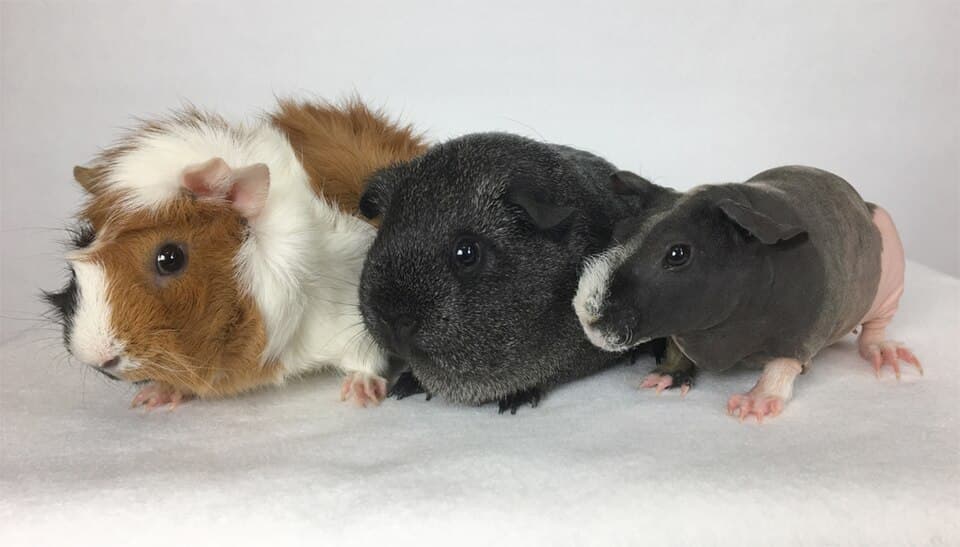
Merck Veterinary Manual publishes a 5 to 8 year lifespan for guinea pigs. VCA and the RSPCA often say about 5 to 6 years, and both note that some animals live longer. VCA says some reach 8 to 10.
Budget a small-pet decade, not a classroom year. Hay, teeth, company, and vitamin C are the daily work that makes those years possible.
Merck’s published lifespan is 5–8 years. That is the range we lead with. It is not a warranty. Merck’s physical-characteristics page pairs that span with an adult weight of about1.8–2.2 pounds (815–1000 g). The same manual’s physiology table keeps the 5–8 year lifespan and splits body size by sex: sows 700–900 g, boars 900–1200 g. Those are two labeled Merck lines, not a homemade average.
That table also lists gestation at 59–72 days, average 68. If mixed sexes share a cage and breeding is not the plan, that clock is why Merck’s “one intact male” rule matters.
| Source | What they publish |
|---|---|
| Merck Veterinary Manual | Lifespan 5–8 years |
| VCA, Owning Guinea Pigs | Average 5–6 years; some 8–10 |
| RSPCA | Typically 5–6 years; some longer |
VCA’s owning page leads with an average of 5–6 years and adds that some guinea pigs live 8–10. The RSPCA says typically 5–6 years, with some living longer. Those sentences describe the common household outcome, not a fight with Merck. 5–6 is the middle many owners see. 5–8 is Merck’s band. 8–10 is the tail VCA names. A seller who says “guinea pigs live two years” is describing neglect, a classroom cycle, or a different animal.
Merck counts 20 open-rooted teeth and treats hay as the primary food that wears them. VCA says the teeth grow continuously and that guinea pigs should eat mostly grass hay (Timothy) every day. A pellet-only bowl is not that plan.
VCA also states that guinea pigs require dietary vitamin C because they cannot make it. Scurvy is a real risk if vitamin C is skipped. We will not invent a milligram-per-day dose or a produce shopping list. Vitamin C must come from the diet. A complete guinea pig food plus hay and vegetables is the usual plan. The veterinarian who sees that animal, or a guinea-pig-savvy source, sets any supplement. This page is editorial. It is not a prescription.
Guinea pigs are social. Merck describes small groups, and mixed-sex groups should keep only one intact male if you do not want breeding. A single guinea pig is a lonelier plan than the species wants. Company is part of the care plan, not an optional extra after you buy the cage. Gestation in the physiology table is 59–72 days (average 68). That is a two-month surprise, not a long planning window. Ask a veterinarian who sees guinea pigs before you mix unfamiliar animals.
We will not invent a cage brand, a square-inch rule, or a bedding recipe. The year range still assumes the animal is seen every day, can eat hay, and is not left as a forgotten classroom leftover.
Plan for Merck’s 5–8 year span, daily hay, a vitamin C plan your veterinarian sets, and company. Do not use a human-years chart. House rabbits are the closest comparison on this site: small prey pets with a hay-and-teeth story, and a different year range. House Rabbit Society often publishes8–12 years for indoor rabbits. Do not reuse a rabbit calendar for a guinea pig, and do not reuse a guinea pig vitamin C rule for a rabbit.
Classroom folklore that “two years is plenty” is wrong. Merck publishes 5–8 years. VCA says some live 8–10. Budget the longer band or do not buy. Skipping vitamin C because “they eat pellets” is how scurvy happens. Ask the veterinarian. Do not invent a milligram dose from a blog. “One guinea pig is easier” ignores that they are social and like small groups. Mixed-sex groups: one intact male if you do not want pups.
We do not publish a guinea-pig-to-human-years chart. Conversion tables wander by site. If a multiplier is not in a named standard we can cite, it stays off this page. Read how we handle lifespan claims on theabout page.
Merck Veterinary Manual publishes 5 to 8 years. That is the range we lead with. VCA and the RSPCA often say about 5 to 6 years as a typical owner figure, and both note that some guinea pigs live longer. VCA names some animals at 8 to 10 years. Plan the Merck band, not a school-year pet.
VCA says some guinea pigs live 8 to 10 years. That is the tail, not the number you should treat as typical. Merck’s published span is 5 to 8. Celebrate a tenth birthday if it happens. Buy the daily hay, company, and vitamin C work for the years in between.
VCA Owning Guinea Pigs and the RSPCA both use about 5 to 6 years as the typical figure owners hear. RSPCA adds that some live longer. Those pages are describing the common outcome, not fighting Merck’s 5 to 8 year band. Housing, diet, and veterinary care still move a single animal.
We will not invent a milligram-per-day dose. Guinea pigs cannot make vitamin C, so it must come from the diet. A complete guinea pig food plus hay and vegetables is the usual plan. Scurvy is real if vitamin C is skipped. The veterinarian or a guinea-pig-savvy source sets any supplement.
Merck describes guinea pigs as social animals that like small groups. A single animal is a lonelier plan than the species wants. If you keep mixed sexes and do not want pups, Merck says keep only one intact male. Ask a veterinarian who sees guinea pigs before you mix unfamiliar animals.
Both are small prey pets with a hay-and-teeth story. House Rabbit Society’s indoor rabbit range is often 8 to 12 years, which is longer than Merck’s 5 to 8 for guinea pigs. Do not reuse a rabbit calendar, and do not reuse a guinea pig vitamin C rule for a rabbit. See the rabbit lifespan guide.
No. We do not publish a human-years chart. Conversion tables wander by site, and none of the named sources on this page give a multiplier we can cite. Budget 5 to 8 years of hay, company, and a vitamin C plan. Leave the viral chart off the fridge.
Reader notes are not veterinary advice. If an animal is unwell, call the veterinarian who sees them.
Be the first to leave a note on this guide.