House rabbits often live 8 to 12 years indoors. Outdoor hutch and wild numbers are much shorter. What House Rabbit Society publishes and what changes it.
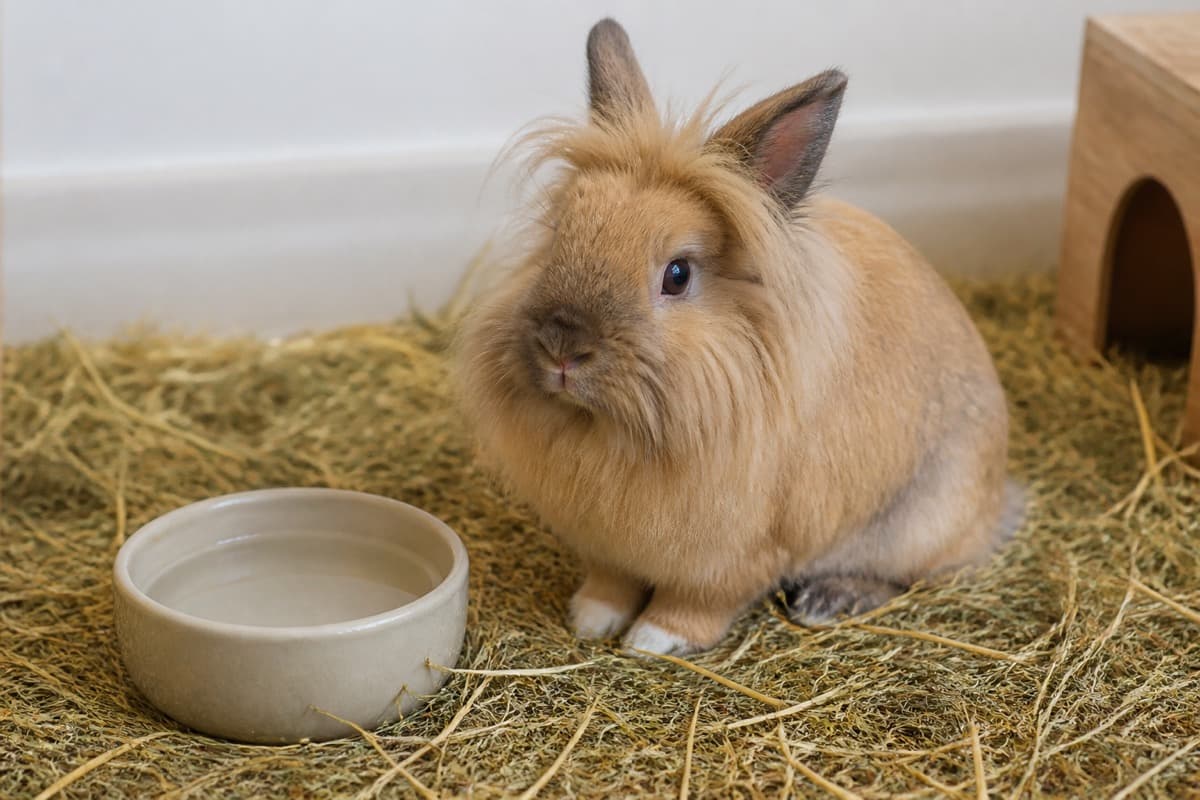
Indoor house rabbits typically live 8 to 12 years. House Rabbit Society (rabbit.org) publishes that range, and much shorter numbers for outdoor domestic rabbits and wild rabbits. A hutch in the yard is not the same animal-life as a house rabbit.
Budget like a small dog. If a shop says “rabbits live three years,” they are describing neglect, outdoor housing, or wild rabbits, not the indoor companion you think you are buying.
House Rabbit Society’s opening line is the featured-snippet answer: indoor house rabbits typically live 8–12 years, depending on size, breed, and care. They add that many rabbits live to 14 or even 16. A later line on the same page says spayed or neutered indoor rabbits typically live around 10 years, with longer outliers.
Those are not conflicting promises. 8–12 is the band. 10 is the midpoint they use for altered indoor rabbits. 14–16 is the tail. Plan for the band, not the record.
Housing is the split, not a personality test. Outdoor domestic numbers sit near 3–5 years. Wild rabbits often live 1–2. HRS’s indoor-living page is sharper on hutches: the average lifespan of a rabbit kept in an outdoor hutch is 3–6 years, versus 8–14 years for an indoor house rabbit. Predators, heat, cold, parasites, and being forgotten behind the garage are the mechanism. “They like being outside” is not a source.
| How the rabbit lives | HRS typical range |
|---|---|
| Indoor house rabbit | 8–12 years |
| Outdoor domestic rabbit | About 3–5 years |
| Wild rabbit | Often 1–2 years |
Indoor means the rabbit shares weather-controlled space with people, can exercise daily, and is seen often enough that a quiet gut problem is noticed the same day. A cage in a garage is not indoor life. A hutch behind the garage fails all three. If the household cannot offer that, the honest choice is not to bring a rabbit home. The 3–5 year outdoor number is not a kinder option. It is a shorter one.
An 8–12 year animal outlasts a short lease. Plan the next home before the carrier. Kids can help. They should not be the only caretakers. A school-year hobby is not an 8–12 year plan.
HRS lists a safe indoor setup, spay or neuter, diet, exercise, social time, and a rabbit-savvy veterinarian. Reproductive cancer is a major reason they push altering. We will not invent a hay brand or a vaccine schedule here. Diet is hay-first as HRS describes it, not a secret pellet. Regular exams matter. A rabbit that stops eating is an emergency, not a “picky day.”
Giant breeds often appear shorter-lived on clinical summaries. HRS’s own page does not give a Flemish Giant chart, so we will not invent one. Ask the veterinarian who sees that body size. Call a rabbit-savvy veterinarian the same day for no eating or no fecal pellets, head tilt, labored breathing, a sudden limp, or a quiet rabbit that was busy an hour ago. Gut stasis does not wait for a weekend appointment. Those signs are triage, not a lifespan debate.
HRS cites Guinness: Flopsy, a wild rabbit raised as a pet in Australia, lived 18 years and 10 months and died in 1983. That is a record, not a care plan. Buy the 8–12 year commitment. Celebrate 18 if it happens.
This article is editorial. It is not a diagnosis. Read our about page for how we handle lifespan claims.
Yes in House Rabbit Society’s published split. Indoor life removes weather, most predators, and a lot of “out of sight” neglect. HRS leads with 8–12 years indoors versus about 3–5 years for outdoor domestic rabbits. Housing is the split.
Not if “short” means two years. An 8–12 year animal will outlast a studio lease. Plan the next home before the carrier. Pet-store folklore that “rabbits live three years” is describing neglect, a hutch, or wild rabbits, not your indoor plan.
Not eating, not pooping, head tilt, labored breathing, or a sudden limp are emergencies in rabbits. This page is lifespan math, not triage. HRS also wants a rabbit-savvy veterinarian for regular exams, not only crises at 2 a.m.
HRS’s indoor-living page puts the average outdoor-hutch lifespan around 3–6 years, versus 8–14 years for an indoor house rabbit. Predators, heat, cold, parasites, and being forgotten behind the garage are the mechanism, not a “they like outside” story.
HRS cites Guinness: Flopsy, a wild rabbit raised as a pet in Australia, lived 18 years and 10 months and died in 1983. That is a record, not a care plan. Buy the 8–12 year commitment. Celebrate 18 if it happens.
HRS lists altering as one of the levers, in part because of reproductive cancer. A later line on their lifespan page says spayed or neutered indoor rabbits typically live around 10 years, with longer outliers. Ask a rabbit-savvy veterinarian for that animal.
Giant breeds often appear shorter-lived on clinical summaries. HRS’s own lifespan page does not give a Flemish Giant chart, so we will not invent one. Ask the veterinarian who sees that body size before you buy the larger breed.
Reader notes are not veterinary advice. If an animal is unwell, call the veterinarian who sees them.
Be the first to leave a note on this guide.