Cooked, peeled, plain sweet potato is acceptable occasionally. Raw is a digestion and choking problem.
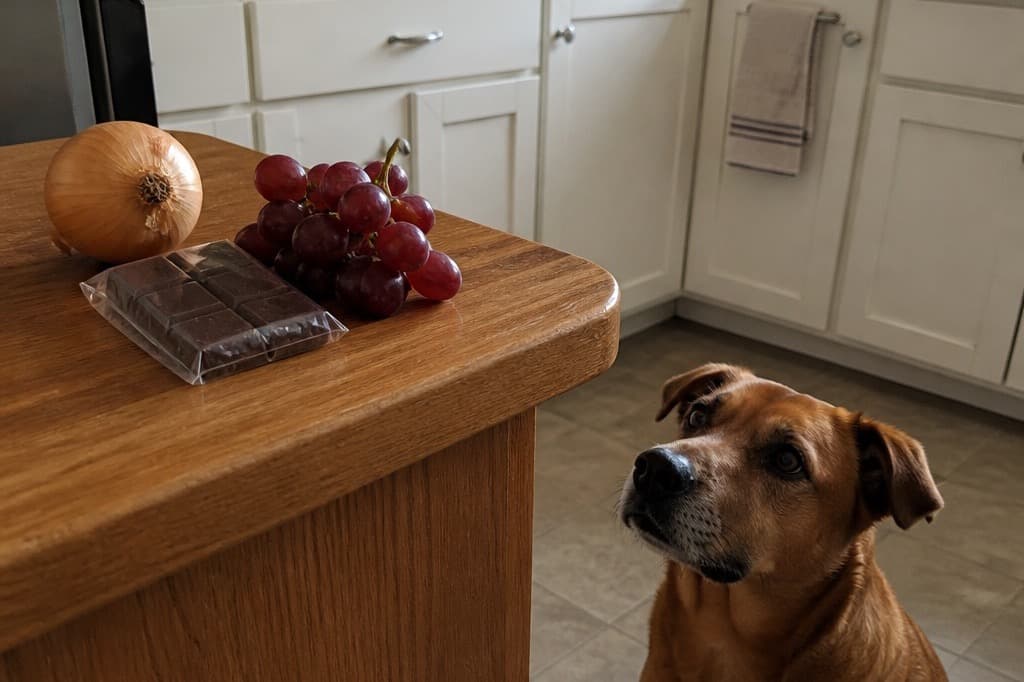
Cooked and plain, yes. Raw, no. AKC treats cooked sweet potato as an acceptable occasional addition. The raw version is a digestion and choking problem rather than a toxin one.
Nothing on it: no butter, no salt, no marshmallow topping, no seasoning from a roasting tray.
Boiled or baked sweet potato with the skin off and nothing added is the only version worth offering. It carries fibre and beta-carotene, which is a pleasant extra rather than a nutritional gap being filled.
The holiday version is not this food. Sweet potato casserole brings sugar, butter, and sometimes marshmallow, and that is a different answer entirely.
Raw sweet potato is dense and fibrous. Dogs bolt chunks rather than chewing them down, and a swallowed piece is a realistic obstruction risk in a small or medium dog.
This is not the same concern as raw white potato, which brings solanine into the conversation. Different plant, different reason to cook it.
FDA has investigated reports of dilated cardiomyopathy in dogs eating some grain-free diets built on legumes and potatoes. That work concerns complete diets fed daily, not a piece of sweet potato beside dinner.
Diet formulation is a veterinary conversation, not a blog one. If you are choosing a grain-free food, raise the FDA investigation with the veterinarian who knows the dog.
For the other fibre vegetable owners reach for, see whether dogs can eat pumpkin.
Cooked, plain, and peeled sweet potato is generally safe in small amounts. Raw sweet potato is not recommended because it is hard to digest and a choking risk.
Skip it. Raw sweet potato is tough, difficult to digest, and a genuine obstruction risk in a dog that swallows chunks.
No. They are different plants. Raw white potato and green potato skin carry solanine, which is a separate concern from the texture problem sweet potato presents.
FDA has investigated a possible link between some grain-free diets high in legumes and potatoes and canine dilated cardiomyopathy. That investigation is about complete diets, not an occasional piece of sweet potato, and diet choice is a veterinary conversation.
Plain dehydrated sweet potato chews are widely sold. Check the ingredient list for added sugar and salt, and treat them as calories rather than a free extra.
Peel it. The skin is harder to digest and adds nothing the flesh does not already provide.
Reader notes are not veterinary advice. If an animal is unwell, call the veterinarian who sees them.
Be the first to leave a note on this guide.