Plain cooked boneless chicken suits cats well. It is a topper, not a complete diet, and taurine is why.
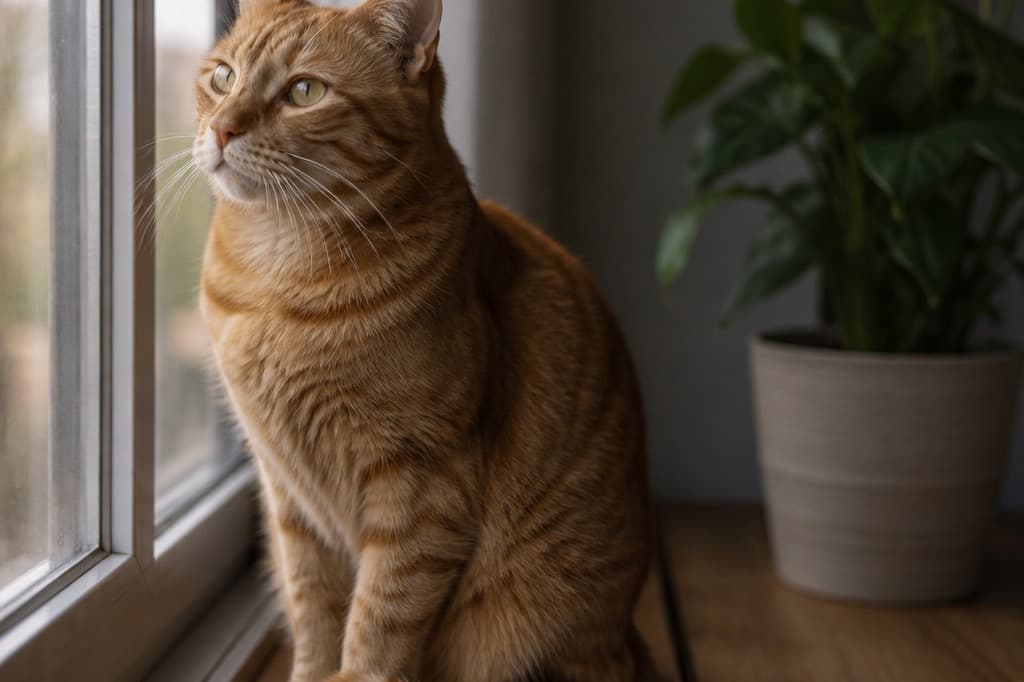
Yes, plain and cooked. Chicken is a lean animal protein and cats are obligate carnivores. This is one of the more straightforward yeses in the cat food file.
The bones, the skin, and the seasoning are where the answer turns.
Boiled or baked chicken with no oil, salt, or seasoning is the version to offer. Shred it rather than serving a chunk, and take the skin off.
Cooked bones splinter. That is a choking risk in the throat and a perforation risk further down. Check the piece before it goes in the bowl, not after.
Cats cannot synthesise enough taurine and depend on their diet to supply it. A formulated food is balanced for that; plain chicken is not.
Cats fed mostly on cooked meat can develop real deficiencies over time. This is a topper on a complete diet, not a way to replace one.
For the tinned-fish version of the same trap, see whether cats can eat tuna.
Shop rotisserie chicken is brined and rubbed. Salt is high and onion and garlic powder are standard, both of which are toxic to cats.
If you want to share a rotisserie bird, take meat from the inside, unseasoned and unskinned, and keep it small. Fried chicken is a no in every version.
For the egg alternative, see whether cats can eat eggs.
Yes. Plain, cooked, boneless, unseasoned chicken suits cats well. They are obligate carnivores and chicken is a lean animal protein.
Cooked bones splinter and are a choking and perforation risk. Remove every bone before the plate goes down.
No. Plain chicken is not nutritionally complete for a cat. It does not supply the taurine, vitamin, and mineral balance a formulated diet provides, and a chicken-only diet can cause deficiencies.
FDA advises against raw pet diets because of bacterial risk to the animal and the household. If you are considering raw feeding, have that conversation with your veterinarian.
No, as a rule. Rotisserie skin and seasoning carry salt, and onion and garlic powder are standard in the rub. Fried chicken adds batter and fat.
Skip it. It is the fattiest part and it is usually where the seasoning sits.
Reader notes are not veterinary advice. If an animal is unwell, call the veterinarian who sees them.
Be the first to leave a note on this guide.