Alabai Aziat dogs are Central Asian livestock guardians. FCI size minimums, temperament, and a yes-or-no owner checklist before you buy.
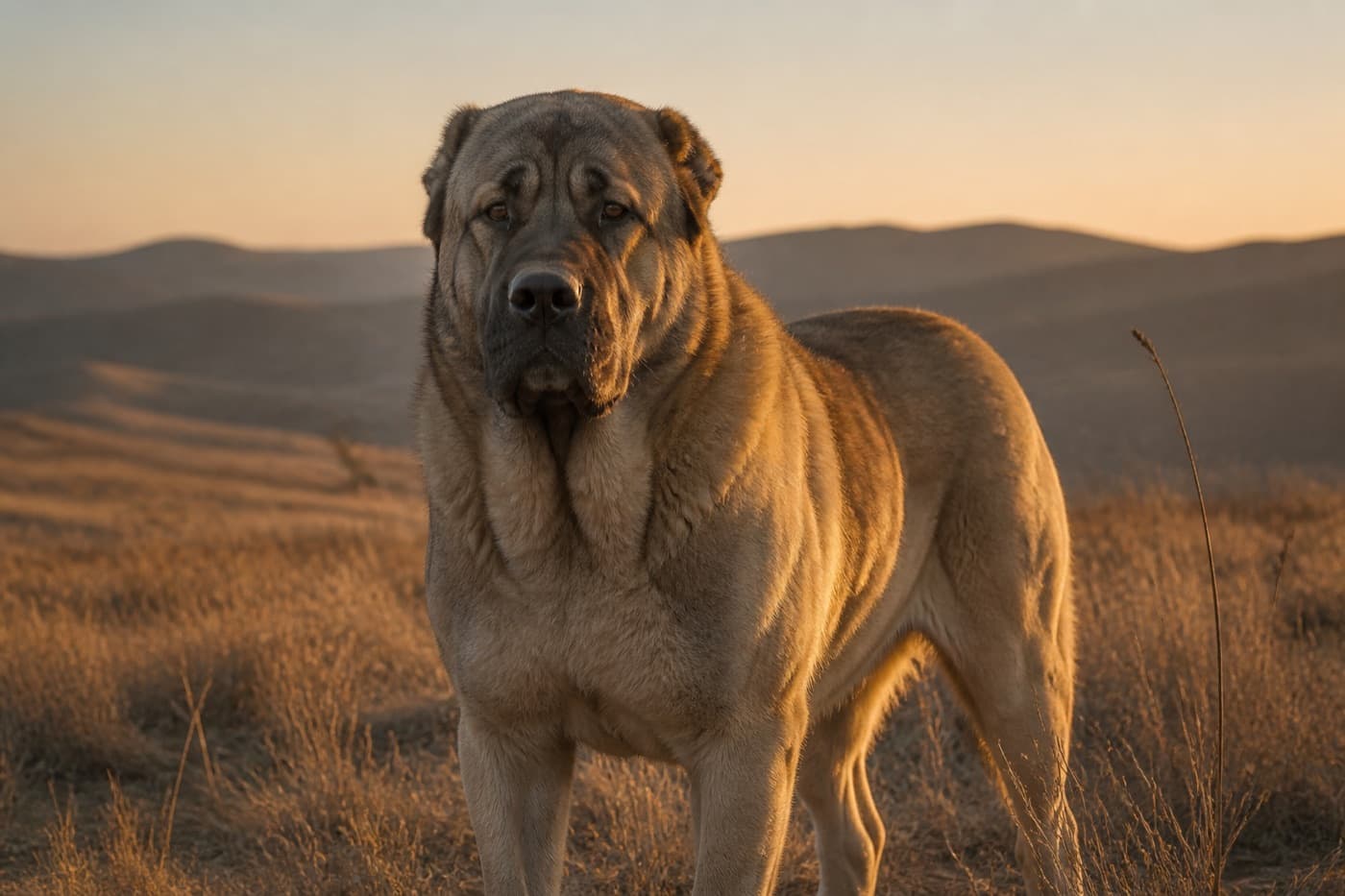
An Alabai Aziat dog is a Central Asian livestock guardian, not a giant pet sold by weight. The FCI lists the breed as Sredneaziatskaya Ovtcharka, Standard No. 335 (13 October 2010): males at least 70 cm and 50 kg, females at least 65 cm and 40 kg, mature at about three years.
Search results mix that standard with marketplace sizes that sit under the FCI floor. If you want breed type, use the standard. If you want a first apartment dog, this is the wrong breed.
Alabai is the regional name. Aziat is Slavic shorthand. The FCI lists the breed as Sredneaziatskaya Ovtcharka, Central Asia Shepherd Dog, standard No. 335, last updated 13 October 2010. Utilization in that text is blunt: guard and watch dog. If you want a soft companion that greets every guest, this is the wrong page, and the wrong breed.
The same standard says the type was shaped by hard climate and work against predators, mainly to protect cattle, caravans, and dwellings. That is a working history, not proof that every puppy is four thousand years of living archaeology. Use the FCI name when you compare papers.
| Name you see | What it usually means |
|---|---|
| Alabai | Regional / Turkmen name used in ads and owner talk |
| Aziat | Everyday Slavic shorthand for the same type |
| Central Asia Shepherd Dog | FCI registered English name (Sredneaziatskaya Ovtcharka) |
The FCI publishes minimums. Larger size is desirable only if the dog stays proportional. Sexual dimorphism is required: males more massive, with a larger head and more defined withers. Full maturity in the standard is 3 years. A one-year-old that already looks finished is not a virtue. It is a reason to slow down.
| Sex | Minimum height | Minimum weight |
|---|---|---|
| Male | 70 cm (27.6 in) | 50 kg (110 lb) |
| Female | 65 cm (25.6 in) | 40 kg (88 lb) |
The United Kennel Club writes the same idea in inches: males at least 27.5 in, females at least 25.5 in, with weight in proportion. An AKC lifestyle article lists a typical range of 25.5–27 in and 88–110 lb. That is the information most ranking pages copy. It is not the FCI floor.
A mature male at 27 in is under the FCI male minimum of 70 cm (27.6 in). The AKC weight band is the FCI female-to-male minimum, written as if it were a finished pet range. Use the FCI floor if you want breed type.
| Source | Height | Weight |
|---|---|---|
| FCI male minimum | 70 cm / 27.6 in | 50 kg / 110 lb |
| FCI female minimum | 65 cm / 25.6 in | 40 kg / 88 lb |
| AKC lifestyle article | 25.5–27 in | 88–110 lb |
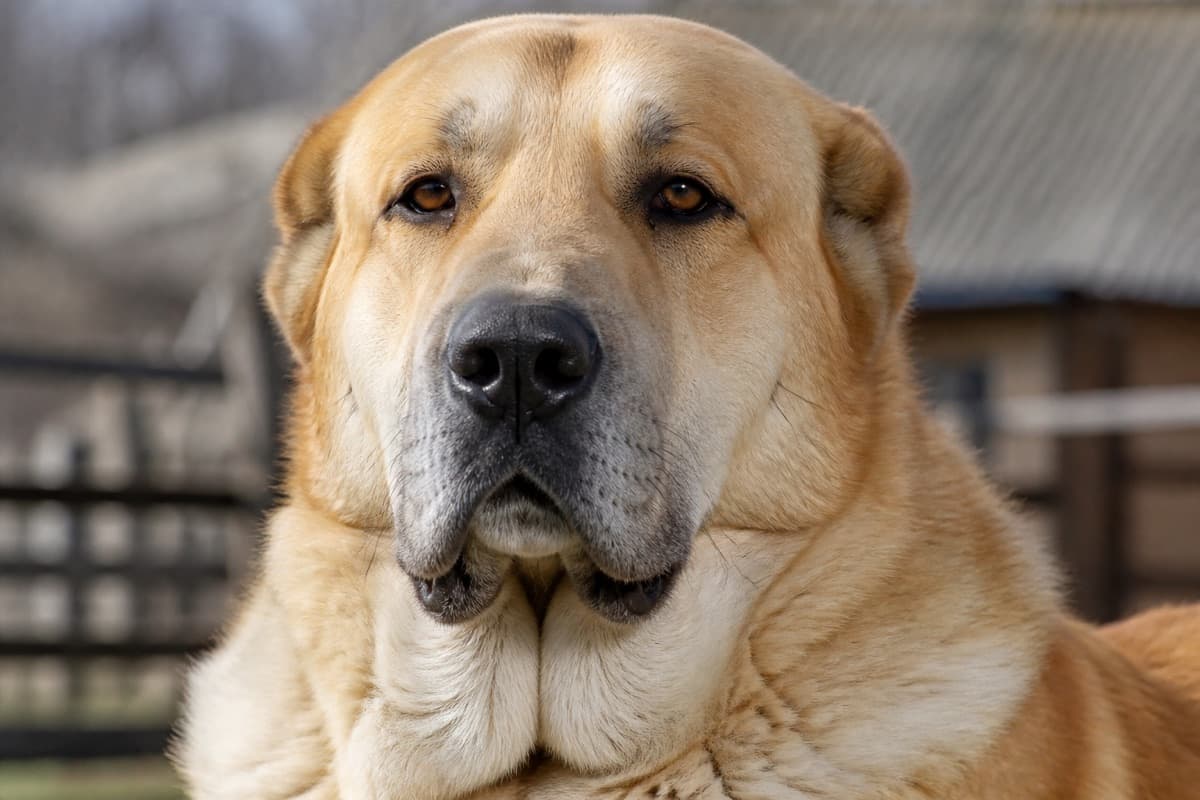
FCI temperament language is specific: self-assured, balanced, quiet, proud, and independent. The dogs are called courageous, with endurance and a natural instinct of territory. Fearlessness toward large predators is listed as a characteristic, not a marketing extra.
The UKC adds the working reality: these dogs often worked with little herdsman input. They are devoted to their people and expect respect. They tend to be suspicious of strange people and strange dogs. When they decide a threat is real, they react quickly and seriously. That is the point of a livestock guardian. It is also why a busy sidewalk suburb is a hard home.
AKC owner-advice pieces make the same practical point in softer words. Obedience is possible with patience. It is not a Labrador retrieve. Early socialization and puppy classes are treated as the baseline, not a bonus. The breed is not “good” or “bad.” It is a poor fit for most modern homes and a first dog. A secure farm with experienced handling is one life. A studio with weekend guests is another.
You need secure, high fencing and real outdoor territory if the dog is going to use the space it was bred to watch. Experience with independent guardian breeds helps. A first dog, a studio, or an open-plan suburb is usually the wrong home. Ears in historic working populations were often cropped. Many countries now ban cosmetic cropping. A modern companion Alabai should be judged on the natural small drop ear the standard still describes, not on a cut. Check local law before a deposit.
UKC and AKC lifestyle text agree on the unglamorous part: early socialization and puppy classes matter. An Alabai that never meets calm strangers, livestock, or other dogs on your terms will still make those decisions later, on its own. That is the breed, not a training failure you can shout away. Keep the first months boring and consistent. Introduce calm people and dogs on a plan, not a weekend party. Hire a trainer who has worked livestock guardians, and keep a veterinarian in the loop for growth and joints.
Marketplace copy sells a nickname and a weight. You need the standard, the health file, and the household the pup was raised in. Ask for the dam and sire’s hip, elbow, and eye paperwork, not a verbal “they’re fine.” Ask who handled the litter after week three, and how strangers were introduced. Measure the parents if you can. Compare mature height to the FCI floor, not to an ad photo. Write down local rules on livestock guardians, fencing, and ear cropping before you transfer money. Have a veterinarian lined up for a purchase exam. If the seller blocks that, the sale is the problem.
Large guardian dogs carry orthopedic and gastric risk as a class. Ask the breeder for hip, elbow, and eye paperwork that a veterinarian can read. If none exists, walk away. Heat, heavy meals, and frantic exercise after eating are a bad mix in deep-chested dogs. If the abdomen blows up, the dog tries to vomit without producing anything, or it collapses, that is emergency medicine, not a forum thread.
Training is slow on purpose. The UKC calls for extensive socialization and patient methods. Punishment that “shows the dog who is boss” is how people create a fearful, dangerous adult. This article is editorial. It is not a diagnosis and not permission to skip a veterinarian or local animal control rules. Read our about page if you want the sourcing rules we write under.
They can live with a household that already understands livestock guardians: secure fencing, early socialization, and respect for a territorial dog. They are a poor match for a first dog, a small yard, or a home with constant unfamiliar visitors. This is a working type, not a soft greeting breed.
FCI Standard No. 335 (2010) sets a floor, not a cap: males at least 70 cm and 50 kg; females at least 65 cm and 40 kg. Larger, still-proportional dogs are preferred. Some lifestyle articles quote lower pet-market ranges. Use the FCI floor if you want breed type.
Yes in common use. Alabai is the Turkmen and regional name. Aziat is Slavic shorthand. The FCI registered name is Sredneaziatskaya Ovtcharka, or Central Asia Shepherd Dog. A listing that uses only “giant guardian mix” is not the same as a dog that meets the standard.
They were selected to decide on their own around stock and property. A suburban dog with no territory to watch still has the instinct. Without space and a clear routine, that energy often becomes fence-running, barking, or conflict with guests. A walk is not a substitute for a job.
The FCI standard says the breed reaches full maturity at about three years. A heavy yearling can still be a teenager in bone and judgment. Do not treat a 12-month weight as the finished dog, and do not buy a “finished” pup sold as adult type at one year.
No. Historic working dogs were often cropped. Many countries now ban cosmetic cropping. The FCI still describes a small drop ear. Judge the dog on that natural ear, not on a cut, and check local law before any deposit leaves your account.
Call for the same emergencies as any large dog: collapse, unstoppable bleeding, suspected bloat, heat stroke, or toxin ingestion. For a purchase, ask about hips, elbows, and eyes before money changes hands. This page is editorial information, not a diagnosis.
Reader notes are not veterinary advice. If an animal is unwell, call the veterinarian who sees them.
Be the first to leave a note on this guide.